House Renovation Made Easy: A Comprehensive Handbook for Residents
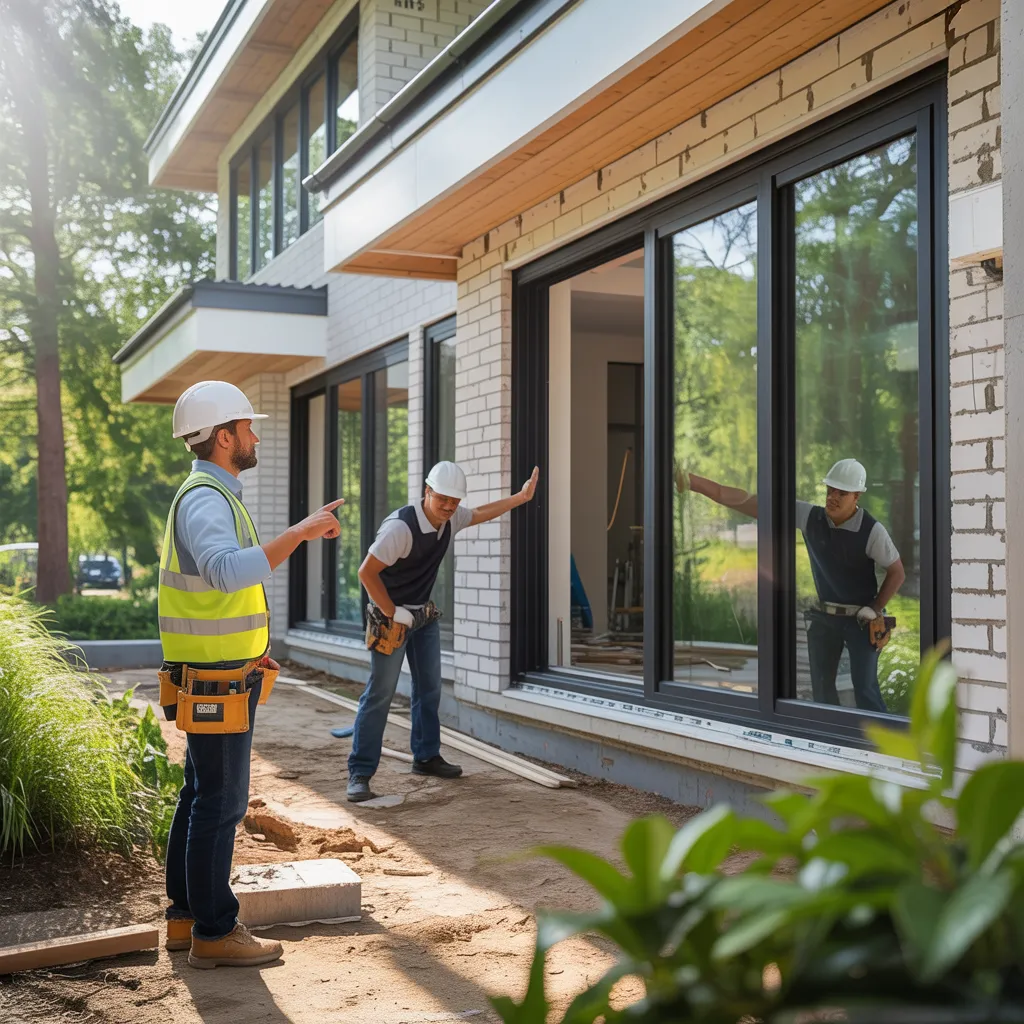
Home remodeling can be an challenging task for many homeowners. Recognizing one's requirements and establishing realistic goals is crucial. An structured approach can make the process easier and more efficient. This guide offers valuable insights into financial planning, design, and selecting the right materials. Property owners may find themselves considering the best methods for maneuvering these challenges. What critical steps should they evaluate to guarantee a successful update of their homes?
Analyzing Your Necessities and Goals
When assessing their objectives and aspirations for home remodeling, homeowners often wonder where to start. The initial phase includes a comprehensive assessment of their current living situation and desired outcomes. Homeowners should consider particular spaces that require improvement, such as aging kitchen spaces, insufficient storage, or cramped living areas. Identifying these problems can help prioritize projects based on importance and need.
Also, property owners should contemplate their future aspirations. Are they hoping to enhance comfort, increase property value, or construct a more useful space for family time? Understanding these objectives will guide the renovation process and make certain that the ultimate result meets their perspective.
Moreover, gathering feedback from household members can be helpful, as varied perspectives may discover additional desires or preferences. By allocating time to examine their requirements and objectives, homeowners can create a strong foundation for a thriving renovation journey.
Creating a Realistic Budget
Setting a realistic budget is crucial for a successful remodeling project. Homeowners should begin by calculating project costs, taking into account materials, labor, and aesthetic features. Additionally, setting aside contingency funds can help handle unexpected expenses that may arise during the remodeling process.
Estimate Work Costs
A solid grasp of project costs is essential for property owners embarking on a remodeling journey. To accurately estimate expenses, they should consider factors such as supplies, labor, licenses, and potential unforeseen issues. Investigating regional pricing for materials and hiring contractors can offer a clearer budget overview. Homeowners should also factor in the size and complexity of the undertaking, as these components considerably influence costs. Creating a detailed list of necessary supplies and labor will help in gathering quotes. It is advisable to obtain multiple quotes from contractors to ensure favorable rates. By establishing a precise budget that matches their financial capabilities and renovation objectives, homeowners can set a realistic budget, ultimately leading to a more seamless renovation process.
Designate contingency budget for surprise spending
Assessing construction expenses establishes the foundation for sound budgeting, but homeowners must also take into account unforeseen costs that may emerge during a remodeling project. A common recommendation is to set aside a reserve fund, usually spanning from 10% to 20% of the overall budget. This allocation serves as a monetary cushion, allowing homeowners to address unforeseen issues such as foundation work or cost escalations without derailing the whole undertaking. By preparing for these possible expenses in beforehand, homeowners can exercise better management over their money and reduce stress throughout the renovation timeline. Ultimately, a well-prepared budget that includes contingency funds improves the probability of a successful and satisfying renovation experience.
Arranging Your Space
How can homeowners effectively design their space to reflect their personal style while optimizing practicality? To accomplish this goal, they should start with assessing their requirements and lifestyle. Understanding how each room will be used directs the overall layout and movement. Homeowners might consider creating areas for various uses, making sure that busy spaces stay unobstructed and reachable.
Featuring elements that communicate subjective style, such as color selections, furniture options, and visual accents, facilitates a personalized statement without sacrificing practicality. Additionally, choosing multipurpose furniture can improve space efficiency, especially in smaller areas.
Natural light stands as another significant aspect; expanding windows or employing mirrors can foster a more inviting setting. To summarize, homeowners should evaluate scale and sizing, confirming that decor coordinate with the room's dimensions while maintaining an organized look. Through combining careful design with aesthetic appeal, residents can build a balanced home environment adapted to their likes.

Deciding on Materials and Finishes
While choosing materials and finishes, property owners should prioritize both visual attractiveness and durability to ensure their choices withstand the test of time. The selection process begins with comprehending the intended style of the space, as different materials can create distinct atmospheres. For instance, natural wood can produce warmth, while modern metallic finishes may give a modern edge.
Homeowners should also give consideration to the maintenance requirements of each substance. Some finishes may need more care than others, impacting long-term pleasure. Additionally, spending limits are important; selecting quality yet reasonably priced options can produce lasting value.
Eco-consciousness is growing increasingly important, prompting many to select green materials that minimize environmental impact. Finally, homeowners should collect samples to envision how chosen materials will interact with lighting and existing elements in the space. This hands-on approach aids in making informed decisions that align with both personal style and practical needs.
Contracting the Right Professionals
When hiring professionals for home renovation, homeowners must carefully assess their qualifications and experience to ensure quality work. Additionally, reviewing price quotes from different contractors can help in making informed financial decisions. These steps are crucial in finding the right expertise for a successful remodeling project.
Evaluating Skills and Experience
Recruiting the right experts for a home remodeling project requires careful evaluation of their qualifications and expertise. Property owners should start by confirming credentials, making sure that contractors have the necessary licenses and credentials relevant to the project. Furthermore, examining a portfolio of past work can provide insight into a contractor's approach and level of workmanship. It is also beneficial to seek references from past customers to assess contentment and reliability. Expertise in specific types of remodeling, such as kitchen or bathroom remodels, can be essential; specialists often have the refined skills needed for complex tasks. Finally, a comprehensive assessment of qualifications and experience will help homeowners choose contractors who can effectively implement their vision while adhering to professional standards.
Reviewing Expense Estimates Competently
Assessing price quotes is a vital aspect of the contractor selection for residential remodeling initiatives. Homeowners ought to obtain estimates from various contractors to ensure a detailed comparison. Each proposal should itemize labor, materials, and any additional charges, facilitating an accurate head-to-head review. It is important to assess both the overall cost and the extent of work encompassed in each proposal. Homeowners should be skeptical about substantially reduced quotes, as they could point to poor quality or concealed costs. Discussing matters with contractors regarding their proposals can deliver information about their methodology and honesty. In the end, selecting a contractor should combine price and the merit of quality workmanship, supporting a rewarding renovation experience.
Comprehending the Home Improvement Procedure
Although the remodeling process can appear daunting, homeowners can navigate it successfully by implementing critical steps. First, they should form a clear vision of their project, articulating targeted results and specific features. Next, putting together a realistic budget is essential, taking into account materials, labor, and unforeseen expenses. Examining and selecting dependable contractors can prove instrumental; homeowners should seek referrals and check reviews in advance of selecting a contractor.
Once a contractor is assigned, effective communication is crucial. Homeowners should discuss timelines, project scope, and any concerns upfront to avoid misunderstandings. During the remodeling phase, frequent touchpoints with the contractor will help ensure key information that the project stays on track and adheres to the agreed-upon plan. Finally, being adaptable to changes, whether due to unexpected issues or new ideas, can enhance the overall experience, leading to a successful and satisfying remodeling outcome.
Popular Inquiries Asked Often
How Long Does a Standard Home Remodeling Project Require?
A standard home renovation undertaking generally takes anywhere from a few weeks to several months, based on the scope of work, size of the home, and any unexpected issues that may arise during the process.
What Permits Do You Need for Home Remodeling?
Upgrading your home typically involves obtaining multiple permits, including building, electrical, plumbing, and zoning permits. The specific requirements are determined by local codes and the project's scope, confirming compliance with safety and construction standards during renovations.
How Can I Limit Disruptions to a Low Level Throughout Renovation?
To limit complications during remodeling, one should create a well-defined schedule, coordinate with builders, set up specific work areas, and notify family members about timelines. This planning enables preserve regular schedules and minimizes tension throughout the project.
How May I Address if I Overspend on My Budget?
If a budget is exceeded, he should assess the reasons, prioritize necessary adjustments, and explore potential cost-saving measures. Transparent communication with contractors and seeking alternative materials can also help bring finances into alignment with project goals.
How Can I Confirm Quality Workmanship?
To secure top-notch workmanship, it is important to research and hire trustworthy contractors, check references, review past projects, and set up clear communication concerning expectations, timelines, and materials. Consistently monitoring progress also supports maintaining high standards throughout the project.